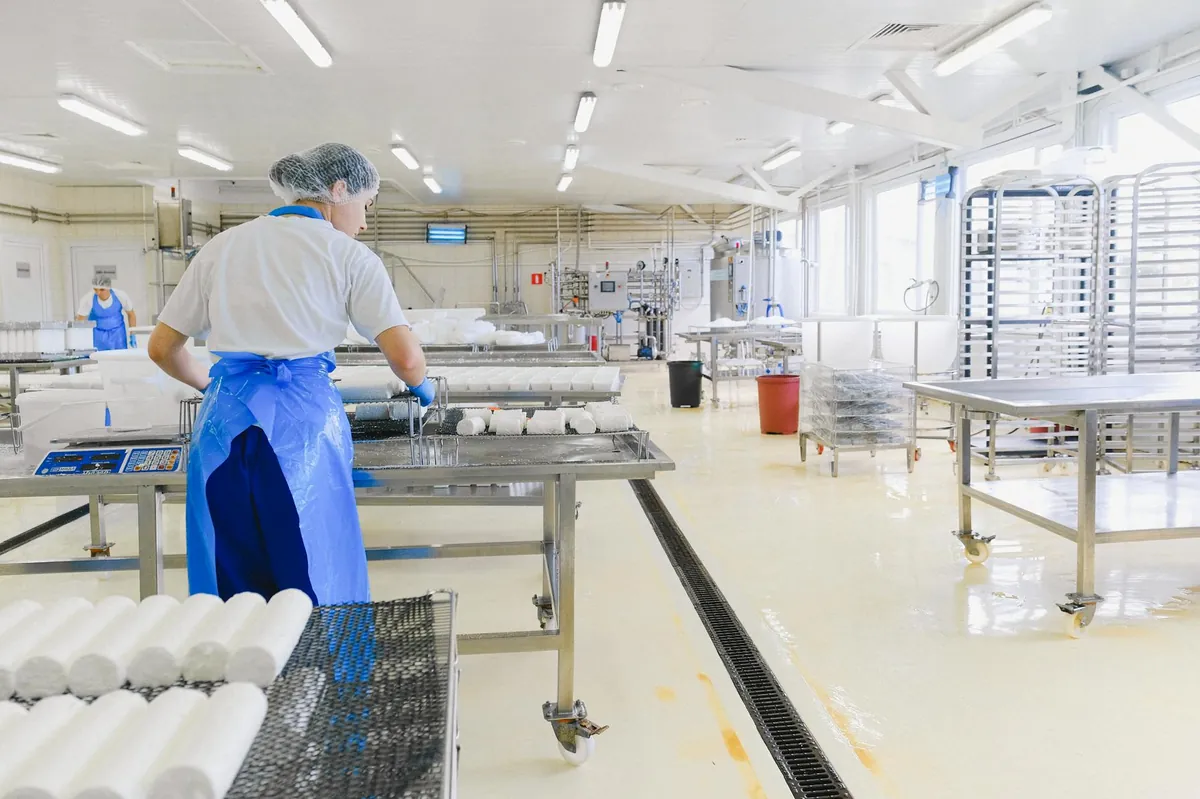
Seven steps. Never broken.
From the dhow to your destination port, every step audited and logged. Vibrio-safe handling, IQF best practice, BAP-compliant processing, EU CL approval.
The chain in detail
Each step has a target temperature, a maximum dwell time, and a verification method. Deviations trigger a hold-and-investigate, never a ship-anyway.
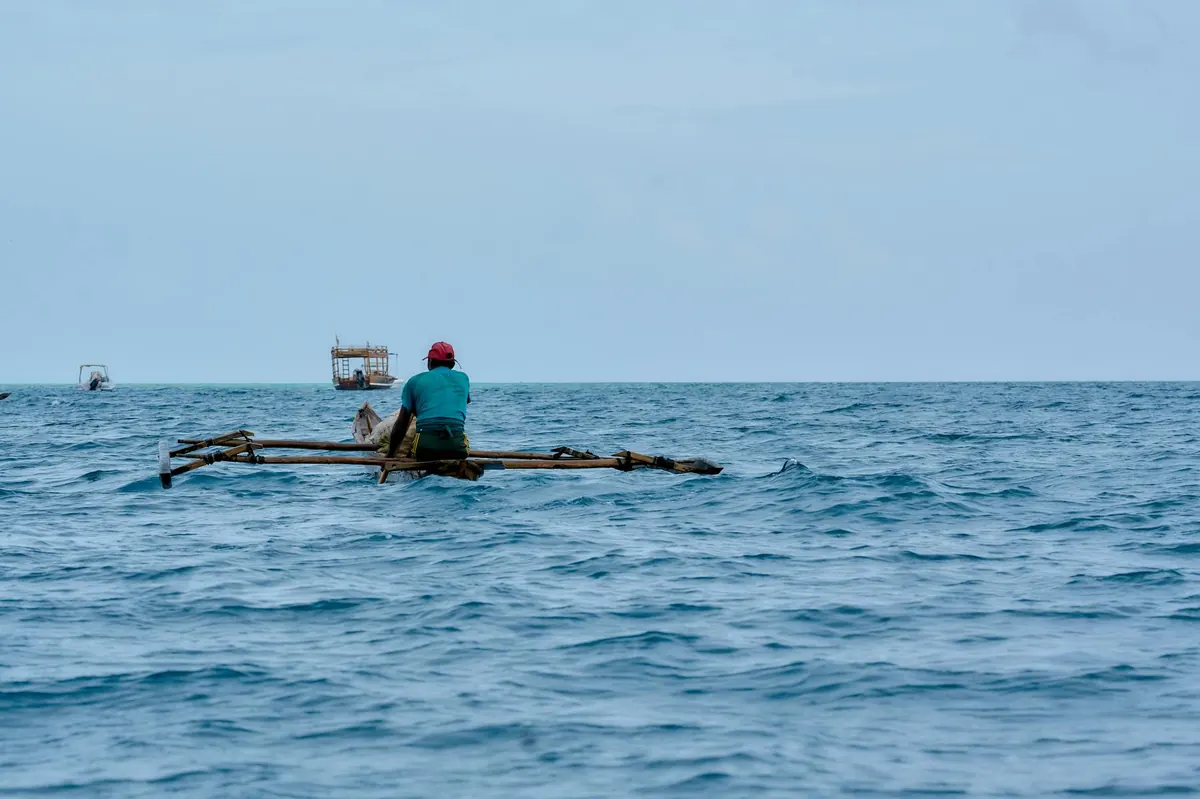
Catch · +28°C ambient
Hand-caught (octopus, lobster) or pole-and-line (tuna) or trap (prawns). Fish on dhow deck under sun shade. Onboard timer started at strike or pickup.
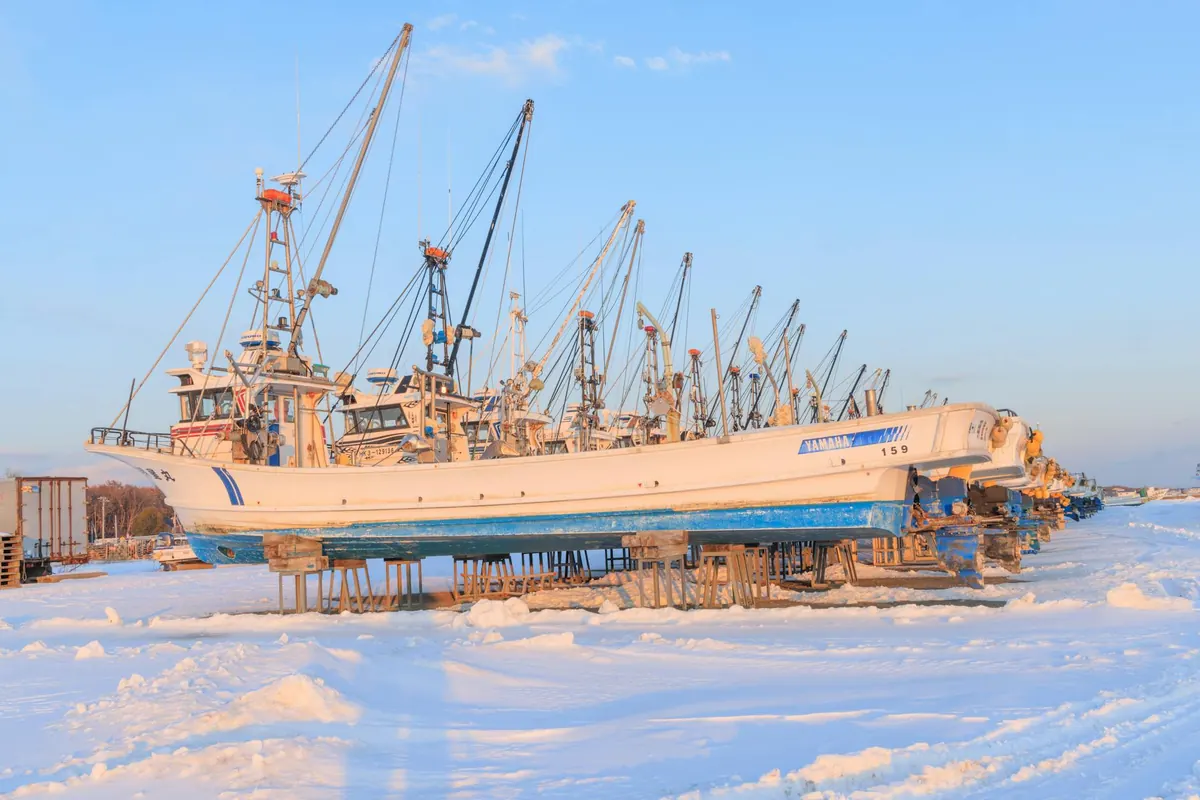
Onboard chill · +4°C slurry ice
Fish into slurry-ice within 5 min for tuna (iki-jime + bleed first), 30 min for everything else. Chiller temp logged every 15 min by Onset HOBO data logger. Max dwell 36h.
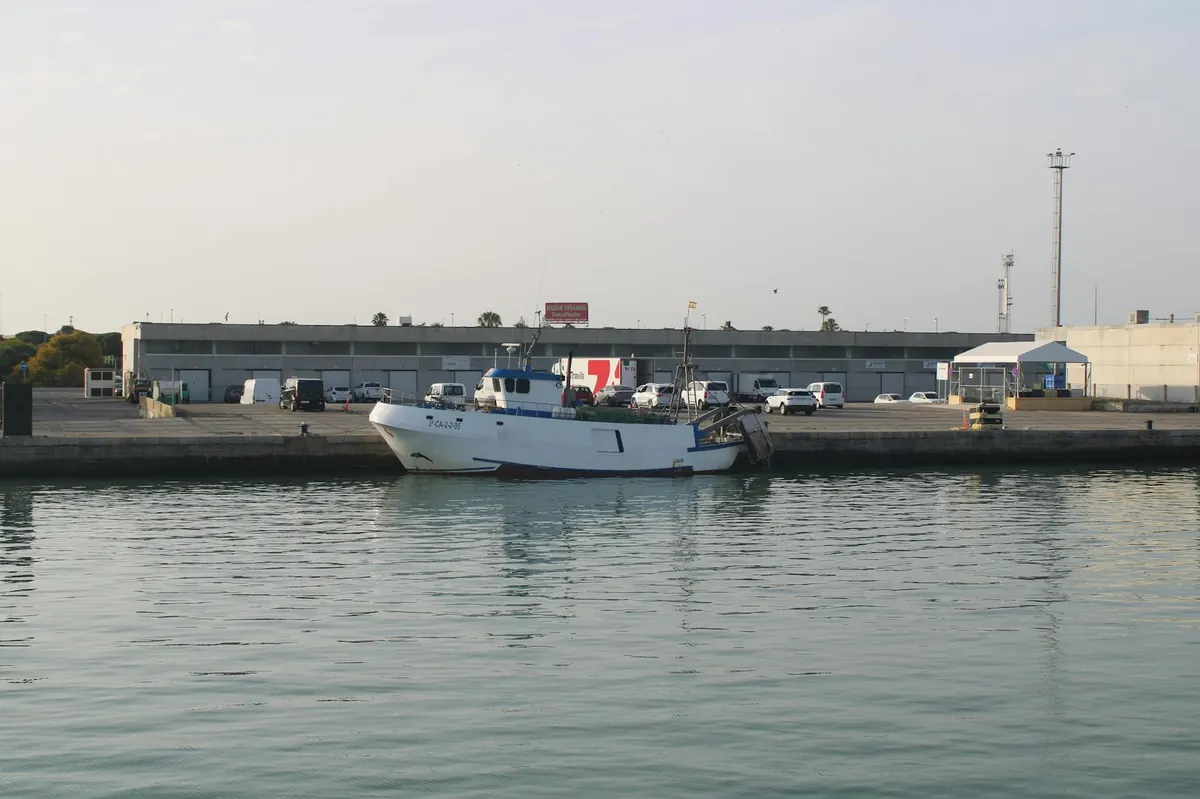
Landing station · −18°C
Mafia/Pemba/Kilwa landing, stamped, weighed, graded, and into blast tunnel inside 30 min of dhow tying up. Blast to product core temp −18°C in <4h.
IQF · −35°C tunnel
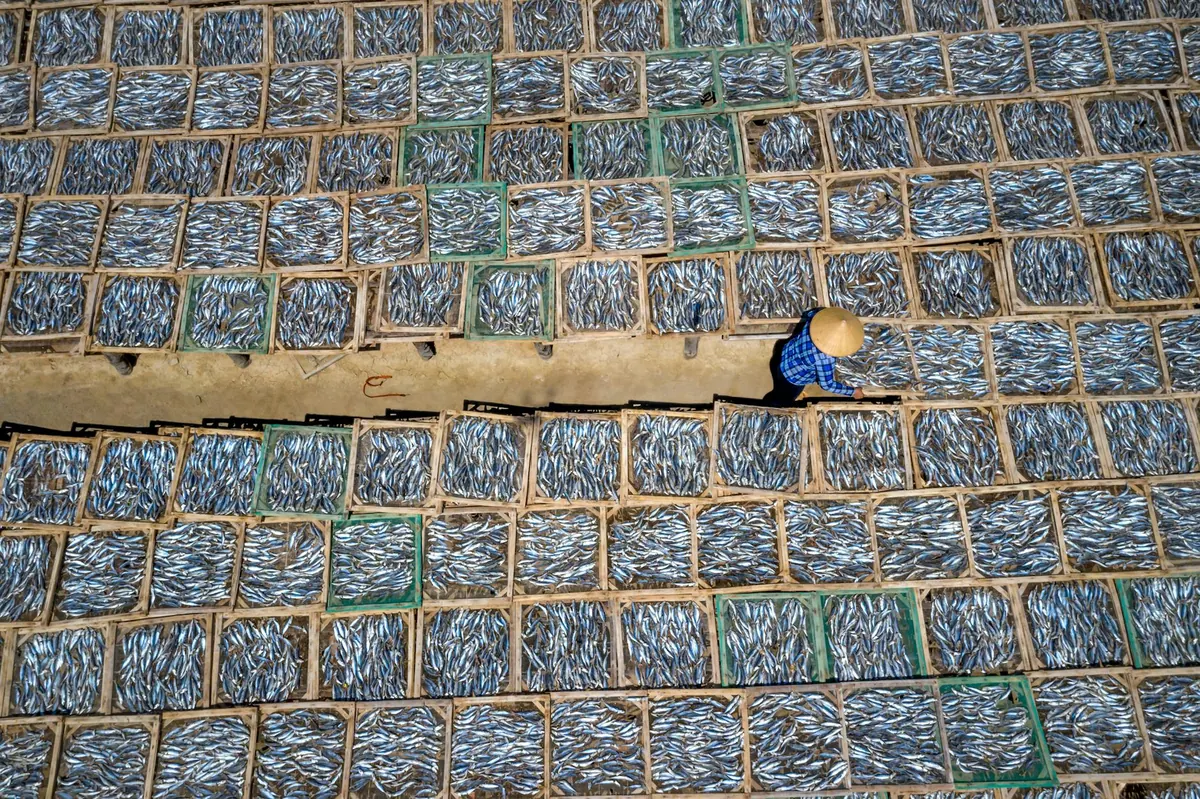
Pemba processing facility (BAP 4-star). IQF tunnel cycle 18 min for prawns, 25 min for octopus. Surface freezing <3 min preserves cell-wall structure, this is the difference between sashimi-grade thaw and mush.

Cold storage · −25°C
Dar es Salaam Kurasini warehouse. 1,400m³ capacity, two independent compressor banks, 24/7 monitoring with SMS alerts on +/−2°C deviations. Holding max 30 days.
Reefer container · −25°C constant
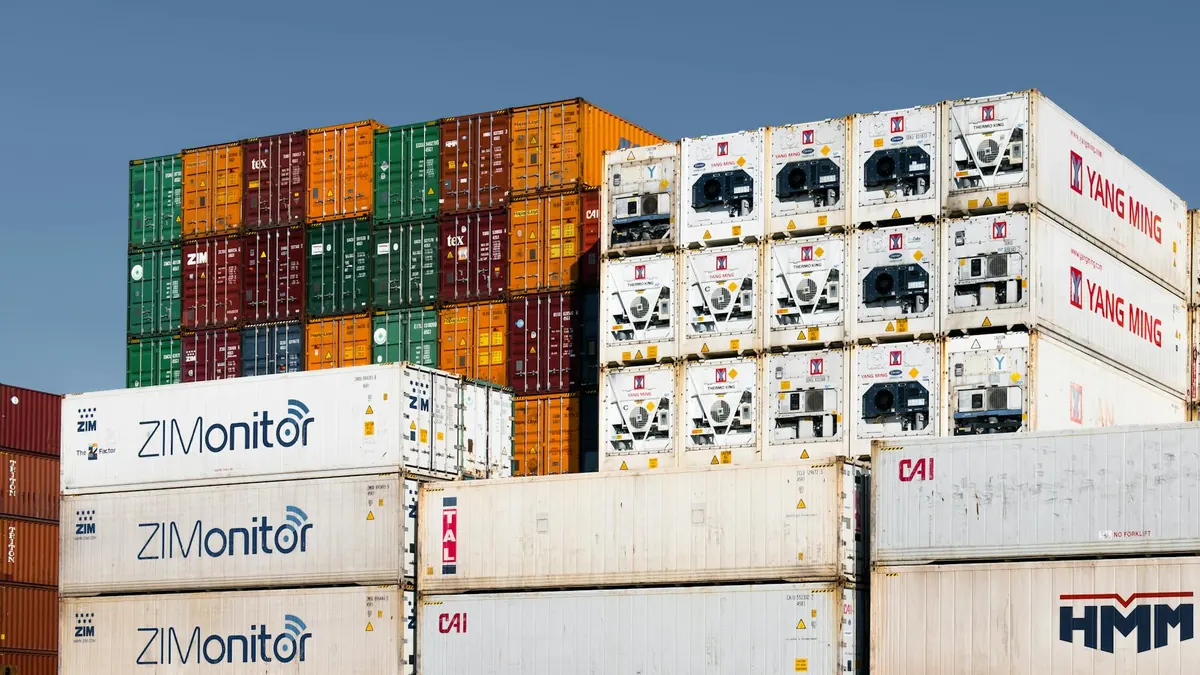
40ft Maersk/MSC reefer, pre-cooled to −25°C 6h before stuffing. Stuffed to 32 tonnes max. Onset HOBO logger inside the carton near the door (worst-case position). Set-point alarm if >−22°C for >30 min.
Destination · −22°C handover
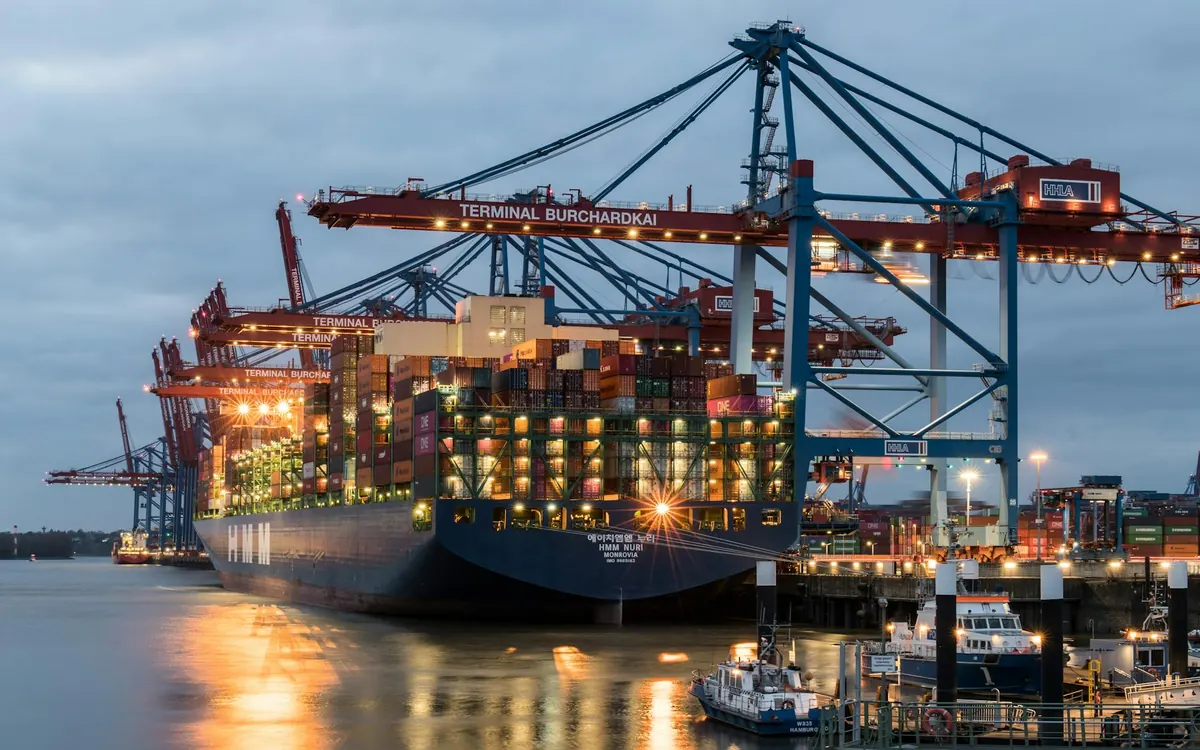
Hamburg, Rotterdam, Shanghai, or Tokyo. Container opens at destination cold store, logger downloads, temperature curve emailed to buyer within 4h. Anomalies trigger immediate joint review.
Safe-handling protocol
Vibrio control: rapid cooling to <5°C is the dominant control. Our 5-minute target on landing keeps growth at <0.5 log inside the chain. Random Vibrio screening on 5% of lots, zero positives in 2025.
Histamine (tuna): pre-rigor iki-jime + immediate bleed + slurry chill keeps total volatile basic nitrogen below 25mg/100g and histamine below 5ppm at landing. COA per lot.
Listeria: BAP-compliant ATP swabbing 4×/day on the IQF line. Validated cleaning protocol, never compromised.
Why IQF beats block-freeze
Individually Quick Frozen at −35°C means the surface freezes in <3 minutes. Ice crystals stay small (<5 microns), cell walls stay intact, drip loss on thaw drops by 60–75% versus block freezing.
For octopus and prawns, this is the difference between “texture like fresh” and “texture like sponge”. For tuna sashimi loins, it’s the difference between A1 grade and not-acceptable.
We invested $1.4M in IQF tunnel capacity at Pemba in 2022. Cycle time 18–25 min depending on product. Output 8t/day.